
The solar industry is undergoing a massive technological shift. Standard monofacial panels are being rapidly replaced by high-efficiency Bifacial modules, particularly in Indian government-subsidized projects that strictly mandate Domestic Content Requirement (DCR) compliance.
For residential projects under PM Surya Ghar, or massive utility farms operating under KUSUM Yojana, understanding the engineering behind bifacial generation is the key to unlocking maximum return on investment.
Key Tech Takeaways:
- Bifacial modules generate power from both the front and rear sides, utilizing albedo (reflected) light.
- This technology can increase total energy yield by 5% to 15%, depending on the reflectivity of the surface beneath the array.
- DCR compliance ensures eligibility for major government subsidies by guaranteeing the cells are manufactured in India.
The Science of Albedo Light Generation
Traditional monofacial solar panels have an opaque backsheet, meaning they only absorb light that hits the front glass directly. Bifacial panels replace this backsheet with a transparent glass or clear polymer. This exposes the rear of the silicon cells, allowing them to absorb "albedo light"—sunlight that reflects off the ground, the roof, or surrounding structures.
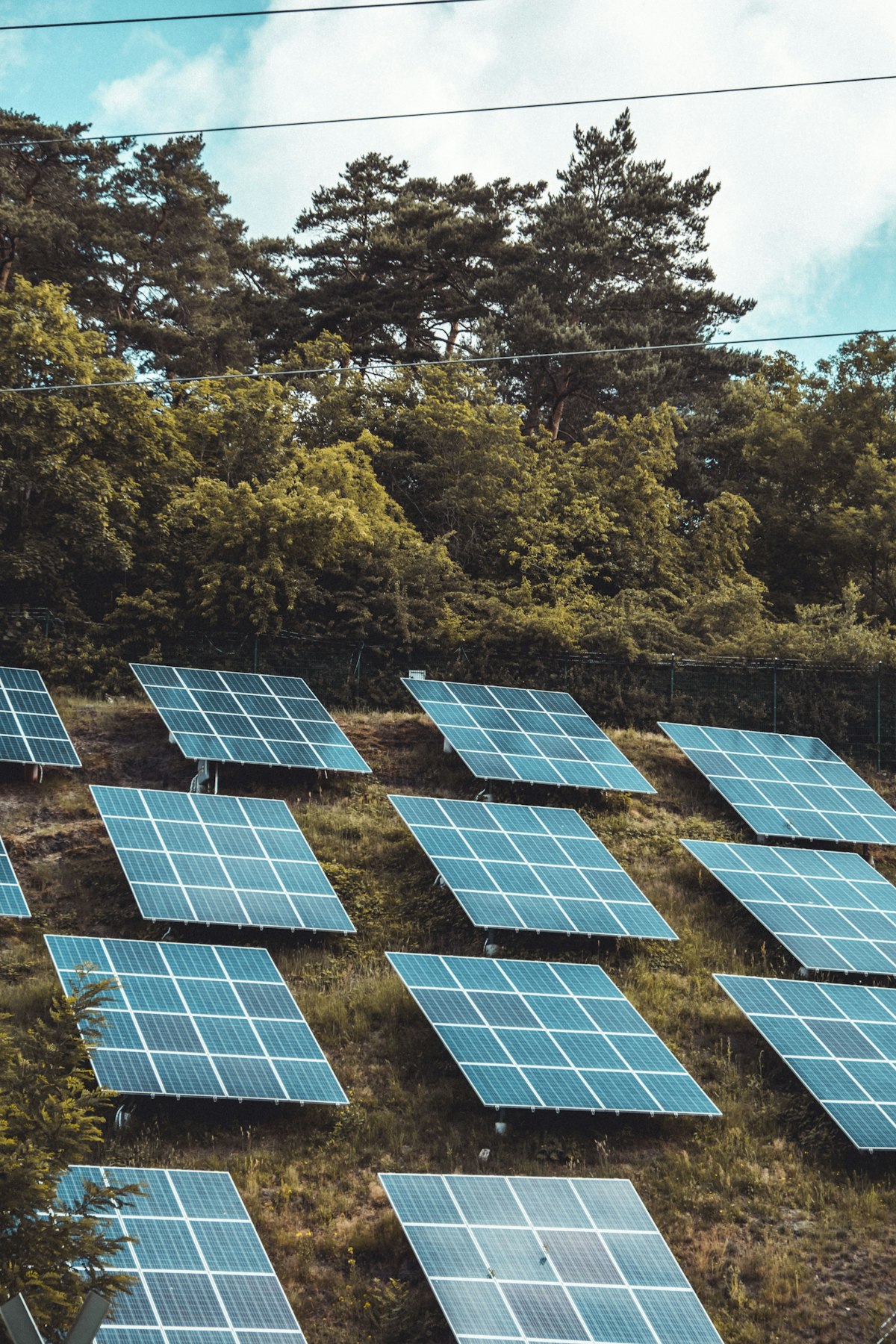
The efficiency gain depends entirely on the albedo coefficient of the surface below. For instance, installing bifacial modules over dark asphalt yields minimal gains. However, installing them over light-colored sand, white-painted RCC roofs, or crushed white stone can boost total energy generation by an astonishing 10% to 15% without adding a single extra panel.
The DCR Mandate Intersection
Technology alone isn't enough in the current Indian market; compliance is equally critical. The Ministry of New and Renewable Energy (MNRE) requires that projects receiving central financial assistance utilize Domestic Content Requirement (DCR) modules. This means the individual solar cells, not just the assembled panels, must be fabricated within India.
Historically, DCR panels lagged slightly behind international markets in efficiency. Today, Indian manufacturers have rapidly upgraded their fabrication lines. Top-tier Indian manufacturers on the ALMM (Approved List of Models and Manufacturers) are now producing ultra-high-efficiency Bifacial DCR panels.
At Newtech Group, our eco-procurement division strictly sources these top-tier Bifacial DCR modules. Whether we are engineering a 10kW residential rooftop or a 50MW utility-scale tracking farm, utilizing bifacial DCR technology ensures our clients receive peak generation efficiency while remaining fully compliant for massive government subsidies.